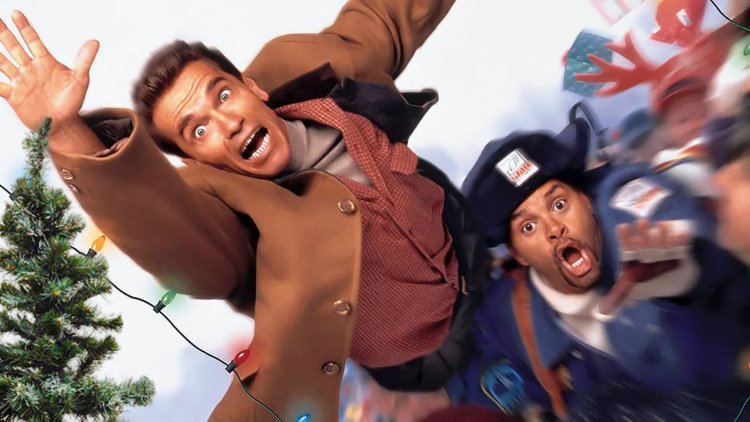
Released in 1996, ‘Jingle All the Way’ is now more often remembered in the United States as a holiday classic, but at the time of its premiere its fate was far less cheerful. The film failed to win over either critics or general audiences, despite its recognizable Christmas theme and the presence of Arnold Schwarzenegger.
The filmmakers set out to satirize the cult of consumerism that intensifies in the run-up to Christmas and to remind viewers of the importance of family. However, the satirical idea was delivered in a tone that felt too dark for a family comedy. Audiences expected a light, festive movie and instead were met with a fast-paced story and rather sharp edges, which ultimately worked against the film.
At the center of the plot is Howard Langston, an overworked father who realizes how distant he has become from his own son. In an attempt to make amends, he promises Jamie the ultimate object of every child’s desire: a Turbo Man action figure. The problem is that the toy becomes a true rarity on Christmas Eve. Howard’s search turns into a series of absurd and comic situations, especially when he runs into an equally desperate rival, Myron, who is also determined to delight his child.
Read more: ‘It’s a Wonderful Life’: How a Christmas Fairy Tale Was Accused of Communist Propaganda
The moral — that attention and love matter more than gifts — does come through in the end, but for many viewers it felt too obvious and insufficiently emotional. Despite its humor and energy, low ratings and a lukewarm reception quickly cemented the film’s reputation as a failure.
An additional blow to the movie’s image came in the form of a high-profile lawsuit. Two years after the film’s release, Murray Hill Publications accused Fox of plagiarism. According to the claim, a Detroit schoolteacher named Brian Webster had written an original screenplay that was then copied and presented to the studio. Initially, the court sided with the plaintiffs and ordered Fox to pay substantial damages, but the verdict was later overturned on appeal.
Although the studio ultimately defended its position in legal terms, the shadow of the scandal lingered over the film for years. Nevertheless, over time Jingle All the Way found a second life: regular Christmas broadcasts turned it into part of the holiday tradition. Today it is viewed less as a satire of holiday commercialization and more as a product of its era — with its naive humor, a star lead, and a familiar reminder that Christmas is not really about toys after all.
Read more: ‘The Santa Clause’: When a Christmas Fairy Tale Went Too Far